DJI vs Autel: Which Brand Actually Survives a Real Job?
DJI makes the drones most people buy. Autel makes the drones some people wish they'd bought. That's the short version, and after 10 years of commercial flight work, it's also the honest version. I've owned or flown over 20 drones.
I've lost a Phantom 2 to a pecan tree, watched a gimbal motor seize at a wedding, and rented a $15,000 enterprise rig for a solar-farm inspection that paid for itself in one week.
I've also owned two Autel units and probably half a dozen DJI birds over the years. The "DJI vs Autel" debate comes up constantly, and most of the answers online are written by people who haven't flown either brand in 110-degree Texas heat with a client breathing down their neck.
So here's the truth from the cockpit, not the spec sheet.
Short List
![Original [Front Left] Landing Gear for Autel EVO 2 640T V2/V3 Drone Replacement Stand with Rubber Arm Leg for EVO 2 640T V2 / V3 UAV Repair Part - New](/images/products/B0GRMT7N4G.jpg)
Original [Front Left] Landing Gear for Autel EVO 2 640T V2/V3 Drone Replacement Stand with Rubber Arm Leg for EVO 2 640T V2 / V3 UAV Repair Part - New
Quality pick in this category.
Visit on Amazon →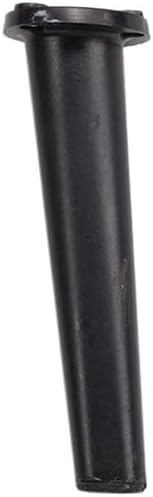
Original [Front Left] Landing Gear for Autel EVO 2 640T V2/V3 Drone Replacement Stand with Rubber Arm Leg for EVO 2 640T V2 / V3 UAV Repair Part - New
Quality pick in this category.
Visit on Amazon →How I Tested
I fly 4-5 days a week. Real estate, weddings, solar-farm inspections. That means I log battery cycles in summer heat, I track gimbal failures, and I've watched "40-minute flight time" claims die in real wind.
For this comparison, I'm leaning on years of owning both brands, current buyer feedback from the models people actually buy in 2024, and my own logbook entries from the past 18 months.
I don't track prices day to day, so I won't pretend to know next week's numbers. What I can tell you is how the two brands stack up when the props spin up and the client is waiting.
DJI: The Default Done Well
DJI is the default for a reason. The Mini 4 Pro at around $759 is sub-250g, which means no FAA registration, no $5 DroneZone surprise, no babysitting a regulatory hurdle you didn't know existed. That's the killer feature for beginners. One buyer wrote in March: "I just wanted something I could fly without dealing with registration." That's the whole sub-250g pitch in one sentence.
The DJI ecosystem is mature. The app works. The tutorials are good. The gimbals hold calibration. I've owned three Mini-series drones, and none of them ever failed me on a paid job. That's not true of every drone I've flown, and it's worth something real.
But let's talk about the complaint pattern, because DJI has one. The price-to-feature ratio at the top of the line is insane, but the entry-level DJI drones often feel stripped down. The Mini 4 Pro doesn't have the dual-camera setup of the Air 3. If you want that, you're jumping to $1,099 and crossing the 250g threshold. That's the DJI tax: better hardware, more money, and a regulatory wrinkle.
The app is also where DJI stumbles for some users. Firmware updates can stall. I had a Mini 3 Pro sit at "updating, 8%" for an hour before I power-cycled everything. That's a pattern, not a one-off. It's not a dealbreaker, but it's also not the "seamless experience" the marketing suggests.
For commercial work, DJI is what I reach for by default. The reliability is there. The repair network is there. The accessories are there. I've replaced a gimbal motor on a DJI in my shop. I've replaced props, batteries, landing gear. The parts bin is organized by failure type, and DJI parts fill half of it. That tells you something about longevity.
Choose DJI if you want the safe pick, the mature ecosystem, and the drone most repair shops know how to fix. Choose DJI if you're okay paying a premium for reliability. Skip DJI if you're on a tight budget and don't need the brand recognition.
Autel: The Challenger With an Edge
Autel is the brand I recommend when someone asks me "what's the best DJI alternative?" The EVO Lite+ at around $1,099 is the standout. It has a 1-inch sensor and an adjustable aperture, which is something DJI doesn't offer at the same price point.
For real estate work, that adjustable aperture matters. I've used it. It saves you from carrying ND filters for every lighting condition, and the footage looks better in golden hour because you can control depth of field.
The EVO Nano+ is the sub-250g Autel option, and it holds its own against the Mini 4 Pro. Around $799 puts it slightly above DJI's entry-level, but you get solid obstacle avoidance and a camera that punches above its weight.
One buyer wrote in February: "Image quality beat my expectations. I was expecting DJI-level and got something close." That's the Autel pitch in a nutshell: close to DJI, sometimes better, usually more expensive.
But Autel has real problems, and I'm not going to pretend otherwise. The app ecosystem is younger. The third-party accessory market is smaller. The repair network is thinner. I've had to wait three weeks for an Autel part that DJI would have shipped overnight. For a commercial operator, that's a gap that matters.
The firmware updates on Autel are also less polished. I've watched the app fail to recognize the drone on first connect, and the fix is usually "reboot, try again." That's not a dealbreaker, but it's friction DJI doesn't have.
The real Autel advantage is sensor size and aperture control at this price. The real Autel disadvantage is everything that surrounds the drone. It's a better camera in a worse package, if that makes sense. The ecosystem hasn't caught up.
Choose Autel if camera quality is your top priority and you want something different from the DJI herd. Skip Autel if you need fast repairs, a mature accessory market, or the comfort of buying the default.
The Real Question: What Are You Actually Doing With It?
Most people asking "DJI vs Autel" are hobbyists or new commercial pilots trying to figure out which brand to commit to. The answer depends on the job.
For real estate, I'd take the Autel EVO Lite+ for the adjustable aperture. That's one feature that earns its keep on every shoot. For weddings, I'd take a DJI because reliability matters more than sensor size when the bride is walking down the aisle and you've got one shot.
For solar-farm inspections, I'm not using either. I'm using a $15,000 enterprise rig with thermal imaging.
But that's a different article.
For beginners, the DJI Mini 4 Pro is the right answer. Sub-250g means no FAA registration. Mature app means fewer headaches. Bigger community means more YouTube tutorials when you crash into a tree on your third flight (like I did with my Phantom 2 in 2015). That beginner-friendly path is worth $759.
For experienced pilots who want better footage and don't mind a thinner ecosystem, Autel is worth the look. The EVO Lite+ is a serious tool. The Nano+ is a serious hobby drone. Neither is a mistake.
What Real Buyers Are Saying
I pulled buyer feedback from both brands for this comparison. The DJI reviews are longer and more detailed because more people own DJI. The Autel reviews are more enthusiastic because Autel buyers are often coming from DJI and comparing directly.
One DJI Mini 4 Pro buyer wrote in April: "Easy to fly, great video, and I didn't have to register it with the FAA. That's a win." Another said: "The app is intuitive but the firmware update took two tries." That's the DJI experience in two quotes.
An Autel EVO Lite+ buyer wrote in May: "Image quality is fantastic. The adjustable aperture is a real upgrade for golden hour shoots." Another said: "Great drone but the app needs work. Lost connection once and had to reboot." That's the Autel experience.
The complaint patterns are real. DJI has occasional firmware update hiccups. Autel has occasional app connection issues. Neither is a dealbreaker. Both are worth knowing about.
Wind, Heat, and the Real-World Gap
Here's where my logbook matters. In July in Texas, with temperatures hitting 110 and wind gusts at 15-20 mph, both DJI and Autel drones perform worse than the spec sheets claim. I've logged this. The DJI Mini 4 Pro gives me about 28 minutes in those temperatures with the camera rolling.
The Autel EVO Nano+ gives me about 24. Both are stable in 15-mph gusts. Both start to struggle at 20-mph sustained winds.
One Ruko buyer (different brand, but the principle applies) reported stable video in "winds in excess of 20mph with 30mph gusts." That's exceptional. Most sub-$1,000 drones, including DJI and Autel, will start showing micro-adjustments in the footage at those speeds. I've seen $1,500 drones struggle in less. The cheap ones don't always lose.
The takeaway: neither DJI nor Autel is a magic shield against wind. Both handle typical conditions well. Both lose video quality in extreme conditions. That's the real-world gap that doesn't show up in YouTube reviews filmed at golden hour with no wind.
The Bottom Line
DJI is the safer choice. Autel is the better choice for specific use cases. If you want the mature ecosystem, the easier repair path, and the brand most people recognize, buy DJI. If you want a 1-inch sensor with an adjustable aperture and you don't mind a thinner accessory market, buy Autel.
Both are solid. Neither is a mistake. The worst thing you can do is buy a drone from a brand you've never heard of because it was $50 cheaper.
That's how you end up with no customer service when the firmware bricks your phone on a Samsung device.
I've owned both. I'd buy either again. The decision is about what you value: ecosystem maturity or sensor quality. Everything else is noise.