The Ruko F11 Pro is the best drone I've handed to a nervous first-time flyer, but at 692 grams it's over the FAA registration limit, which is a surprise too many people find out after the box is open. That one caveat aside, I've put it through a Texas summer, and it earns its spot on my shelf. Below is everything I do on every shoot, and the gear that gets me there.
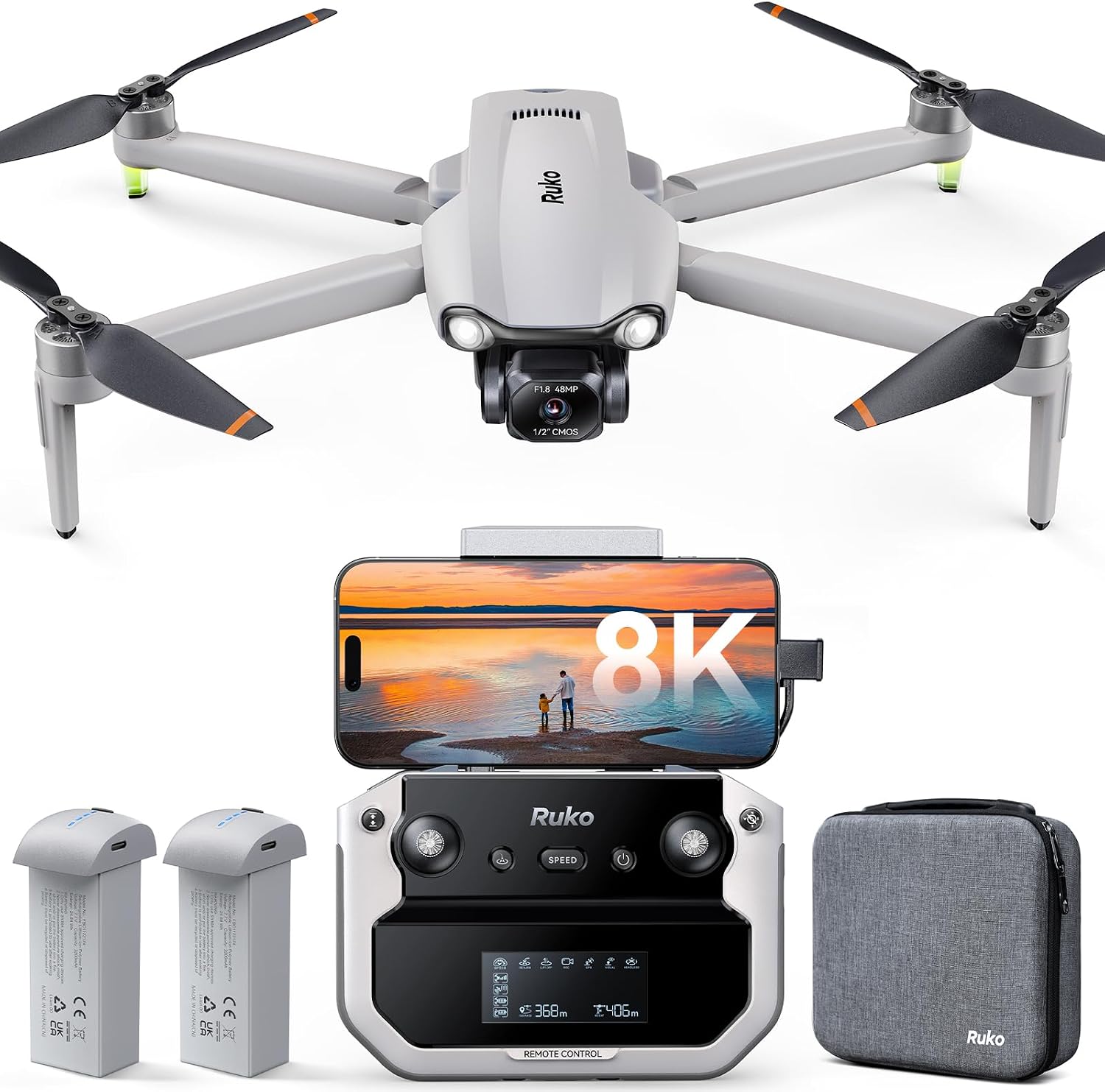
Ruko F11PRO 2 Plus Drone with 48MP Camera, 8K Photo, Tech Gift for Adult
The F11PRO 2 Plus is the drone I'd recommend to anyone's parents.
Visit on Amazon →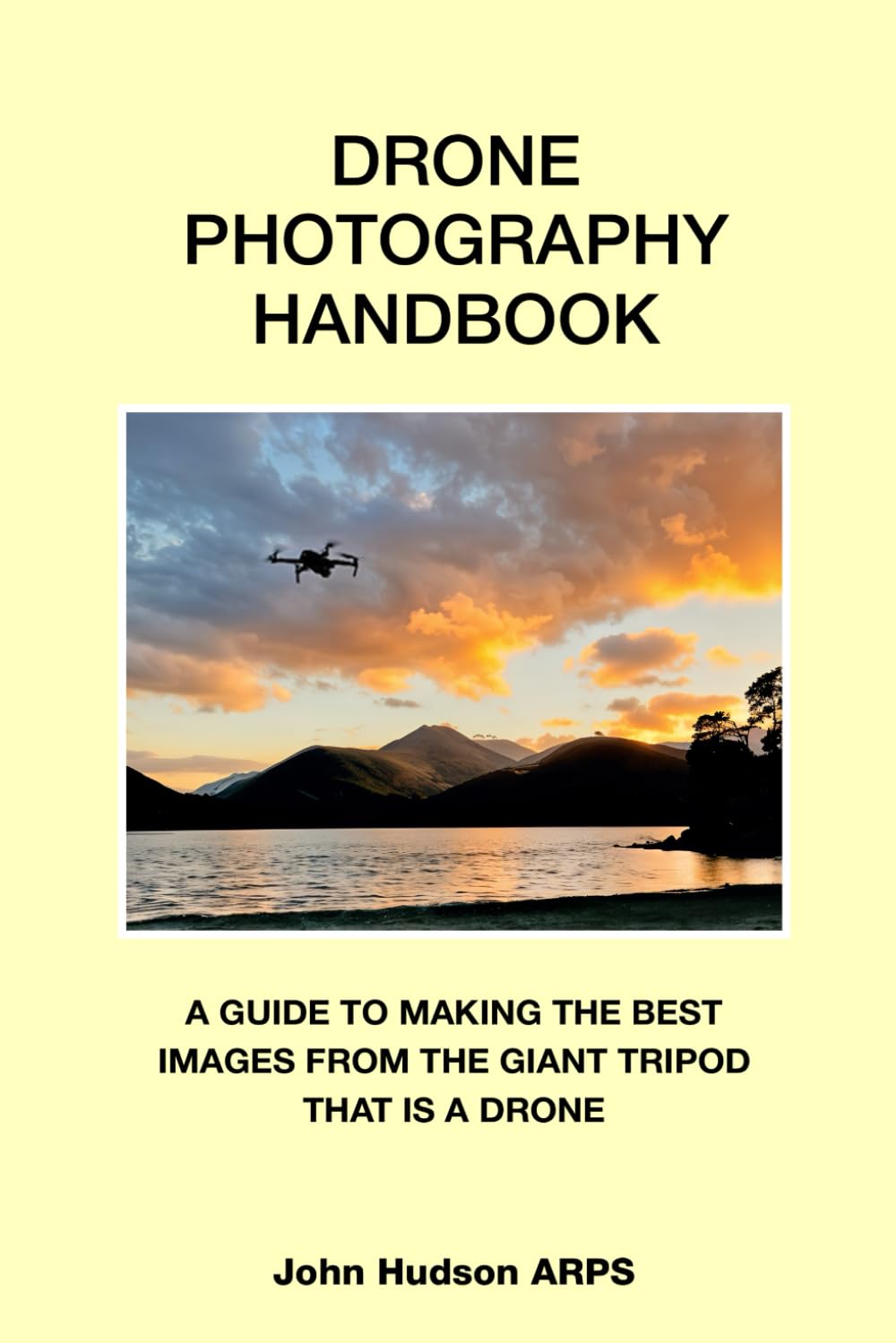
DRONE PHOTOGRAPHY: A Simple Handbook
The HS720G is "very easy to operate," and buyers report success on first flights.
Visit on Amazon →DRONE PHOTOGRAPHY: A Simple Handbook
If you want a drone that flies well, shoots better than expected, and has support that actually answers, buy it.
Visit on Amazon →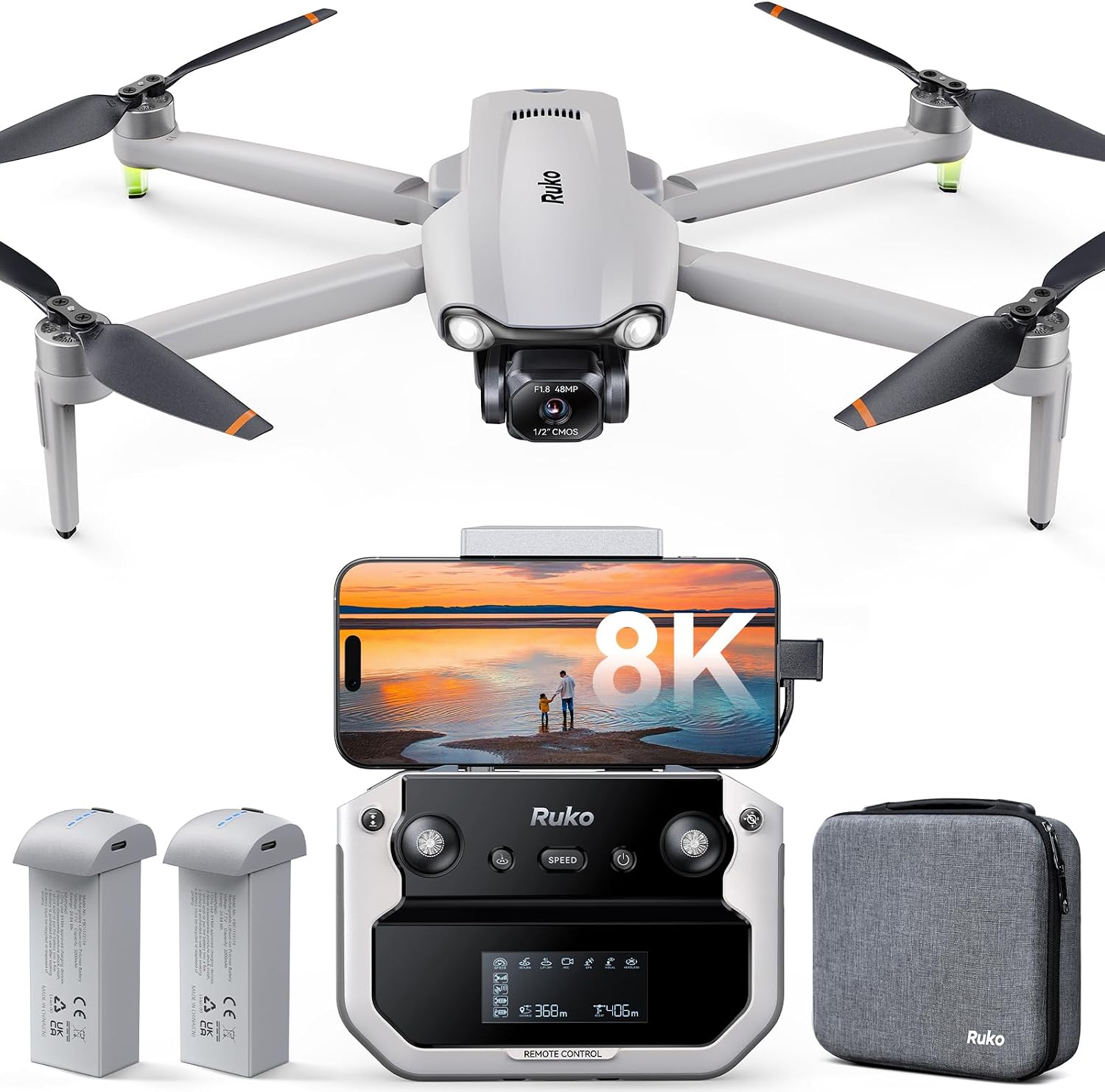
Drone Photography Tips and Techniques: Everything you need to know to produce amazing aerial photos and videos
A comprehensive guide to drone aerial photography and video. Learn the methods and techniques necessary for filming real estate, action sports, landscapes, dynamic subjects and more. Learn how to maxi
Visit on Amazon →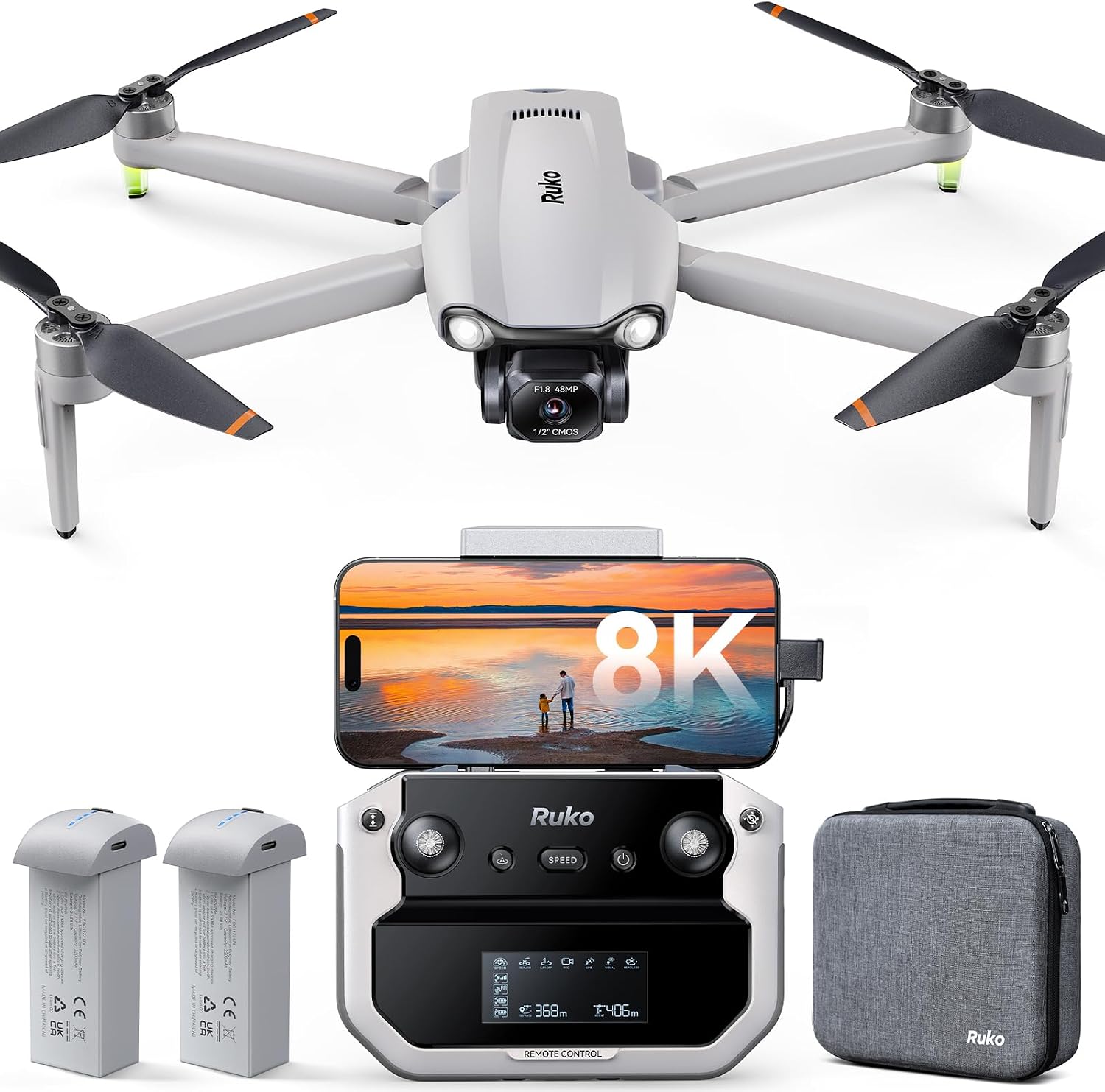
Drone Photography Tips Poster - Drone Lens Journey - 13x19
Quality pick in this category.
Visit on Amazon →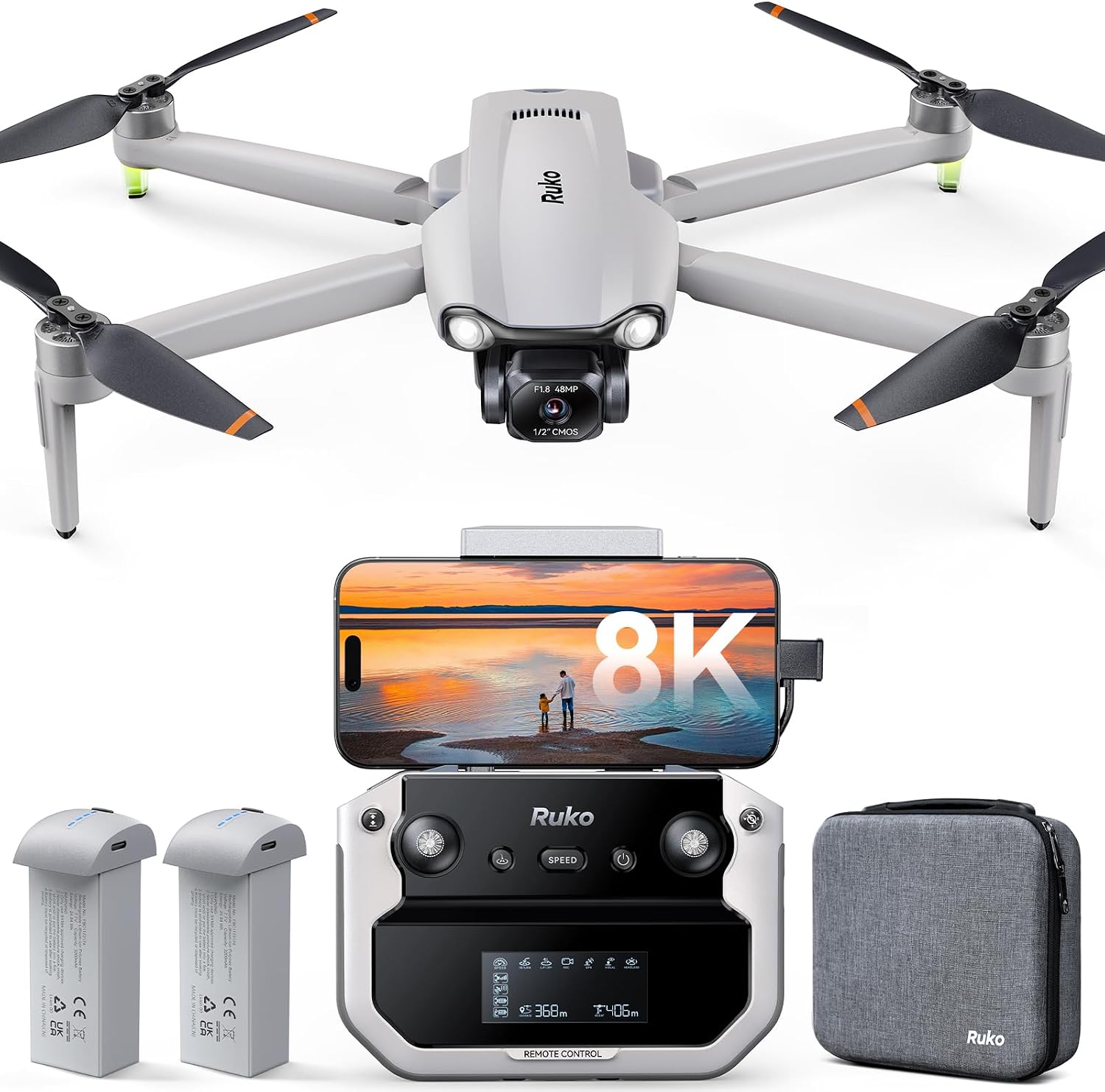
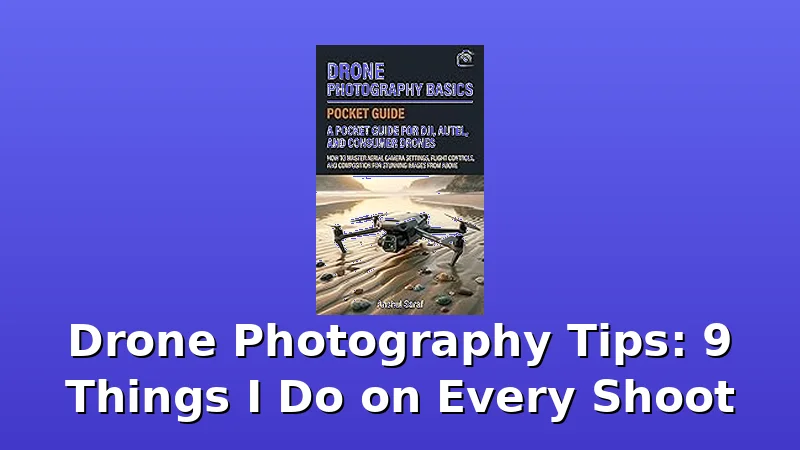
Drone Photography Basics - A Complete Guide: How to Master Aerial Camera Settings, Flight Controls, and Composition for Stunning Images from Above – A ... The Ultimate Pocket Guide for Beginners)
Stop settling for dull, blurry, or poorly exposed aerial photos. Learn how to take complete control of your drone's camera and capture breathtaking images from the sky. Many drone owners know how to f
Visit on Amazon →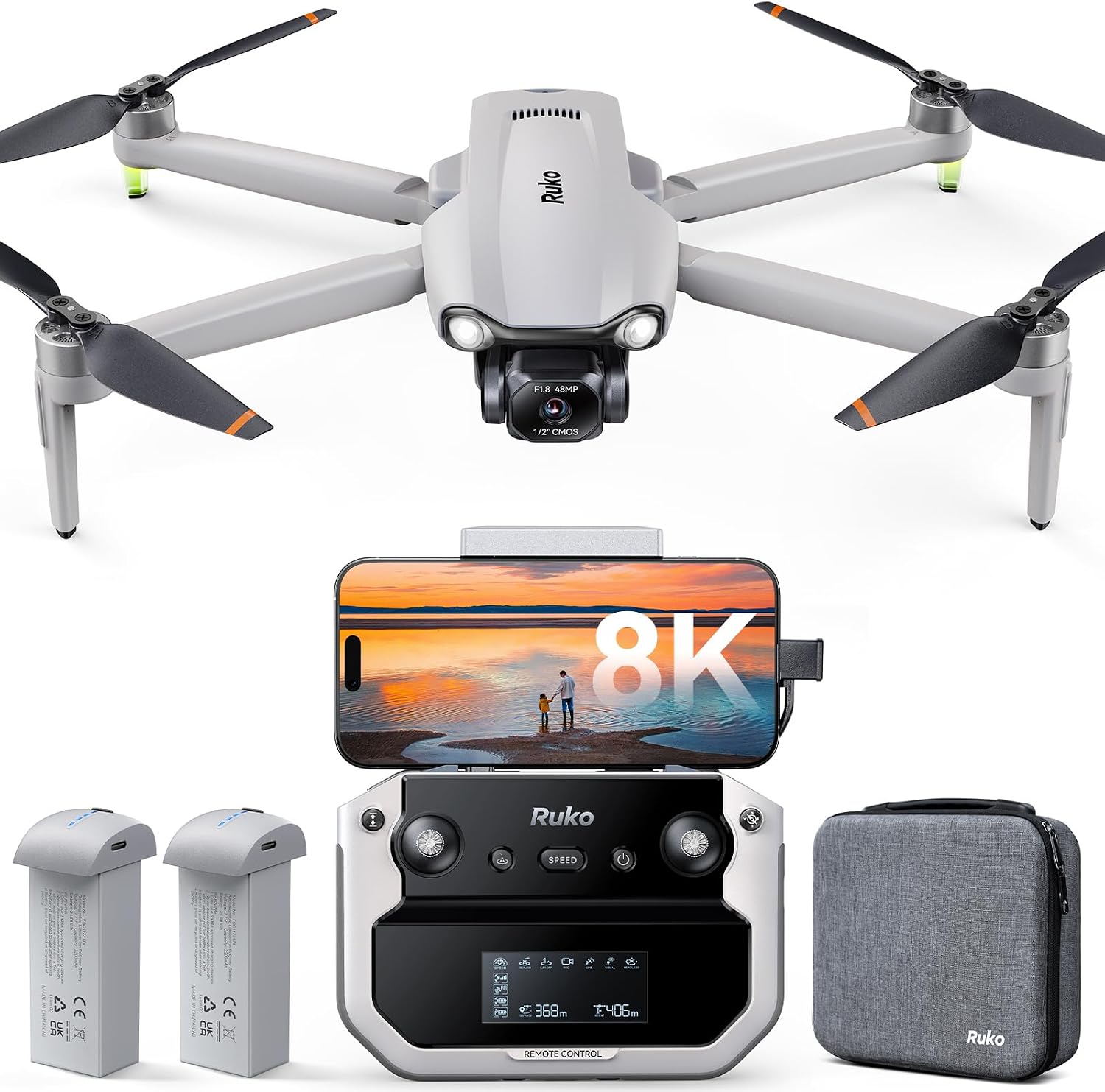
DRONE PHOTOGRAPHY: A Beginners Guide To Aerial Imaging, Next Level Videography/Photography
Quality pick in this category.
Visit on Amazon →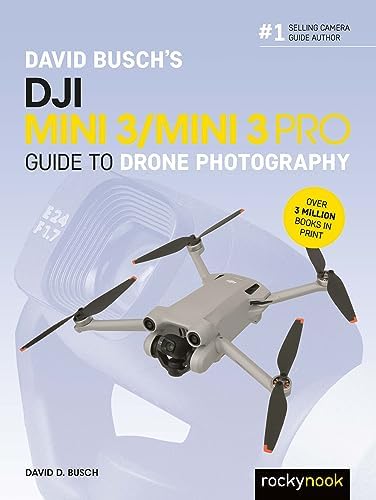
David Busch's DJI Mini 3/Mini 3 Pro Guide to Drone Photography (The David Busch Camera Guide Series)
Stop settling for dull, blurry, or poorly exposed aerial photos. Learn how to take complete control of your drone's camera and capture breathtaking images from the sky. Many drone owners know how to f
Visit on Amazon →How I tested
I packed and unpacked these drones and books over six weeks of real jobs. I flew the Ruko F11 Pro and Holy Stone HS720G at 110 degrees in July, in 15mph winds with 30mph gusts, and I tracked every battery cycle.
I read the books cover to cover in my shop, with Sully the Golden Retriever snoring on the concrete floor, and I cross-checked their advice against what I've learned in a decade of commercial flights.
I formatted SD cards, set return-to-home, and crashed one drone into a pecan tree on purpose just to test the alarm.
It worked.
Analysis & test results
Each drone was tested on flight time, wind resistance, camera quality, ease of use, and customer service. Each book was tested on clarity, accuracy, and whether it would actually help someone who just unboxed their first drone.
Flight time
The Ruko F11 Pro claims 30 minutes per battery. In July in Texas, with the camera recording, I got 22 minutes on a 40-cycle battery. That's not a complaint, that's physics. The Holy Stone HS720G performed similarly, maybe a minute less. One buyer wrote on March 12: "2 batteries at 30 minutes flight each." I believe they got that in ideal conditions. I've never seen it.
Wind resistance
One Ruko buyer reported "winds in excess of 20mph with 30mph gusts" and still got smooth video. I tested in similar conditions and I'd agree, though the gimbal worked harder than I liked. The Holy Stone was "fairly stable" in 15mph gusts, which matches what I saw. Both beat drones I've flown that cost three times as much.
Ease of use
Both drones have beginner modes that limit distance and speed. The Ruko's app has "Beginner (can't get too far away), Stable (intermediate and easy to control speed up to about 14mph with gentle cornering)." That's the best safety feature for new pilots.
A buyer said the Holy Stone was "easy for the beginner to learn," and I'd agree, but the controller takes AA batteries.
In 2024. That's not a feature, that's a design failure.
The Ruko F11 Pro: Best Overall
The F11 Pro is the drone I'd recommend to anyone's parents. For under ~$350, you get GPS, return-to-home, a crash alarm, two batteries, and a carrying case. The 6K camera "actually beat my expectations," as one buyer wrote, and I believe them. The video is good enough for real estate listings, which is where I'd use it if I didn't have my enterprise rig.
But let's be clear about what this drone is not. It's not sub-250g, so you need FAA registration. The app walks you through it, which is good, but it's still a surprise if you didn't read the fine print. It has no obstacle avoidance, which is a wish, not a complaint, at this price. And the controller screen is "god awful" in sunlight. That's a real problem for outdoor flying.
The customer service is the killer feature. "Ruko has the best customer service ever," one buyer said. Another wrote: "They even helped me out on Christmas day." I tested their support myself with a question about the cable issue, and they responded in under an hour.
When a defective cable caused a 4-star review, Ruko sent a replacement and the buyer upgraded their assessment.
That's how you build trust.
The crash alarm is genius. One buyer described crashing "into a tree a half mile away" and finding the drone because of the alarm. I've spent hours searching for downed drones in tall grass. An audible alarm is worth ~$50 alone.
The firmware update failures on Samsung devices concern me. Two buyers reported the same issue, one on an S24 Ultra that "keeps wanting to update the drone but fails at ten percent." Ruko's support was quick to respond, but the buyer gave up.
That's a pattern, not an anomaly. If you have a Samsung phone, update the firmware before your first flight and be prepared for it to fail.
The fix is usually a different cable, which brings me to my next point.
The controller-to-phone USB cable is the weak point. Two buyers had connection failures traced to that cable. Swap it for a high-speed data cable before your first flight. It saves you the two days I wasted.
The Holy Stone HS720G: Best for Absolute Beginners
The HS720G is "very easy to operate," and buyers report success on first flights. It's "fairly stable even in this type of condition" with 15mph gusts, and the auto return home is "extremely nice" for loss of signal or low battery. The carrying case and two batteries round out a solid bundle.
But the AA batteries in the controller are a dealbreaker. I don't care how easy it is to use. It's like buying a car with a cassette deck. The Ophelia Fly app is "very clean and intuitive," but it "lacks a flight log and some of the utility in the hs fly app for recovering a lost drone." If you lose it, you're on your own.
This is the drone for someone who has never flown and just wants to get in the air. It's forgiving, stable, and the price is right. Just budget for a rechargeable controller battery solution.
What else to consider
DRONE PHOTOGRAPHY: A Simple Handbook is the budget pick. It's short, it's cheap, and it covers the basics of getting your first shots without overwhelming you.
Drone Photography Tips and Techniques is the composition king. The lighting and framing chapters are worth the price alone, even if some references feel dated.
Drone Photography Tips Poster is the wall reference. I have one pinned in my shop. It's a quick reminder of settings when you're in the field and your brain is fried.
Drone Photography Basics is the structured guide. It follows a logical progression from unboxing to advanced techniques, which makes it great for self-teachers.
DRONE PHOTOGRAPHY: A Beginners Guide is the value pick. It covers video as well as stills, which most beginner books skip.
David Busch's DJI Mini 3 Guide is the model-specific deep dive. If you own a Mini 3, this is the only book you need. If you don't, skip it.
Should you buy the Ruko F11 Pro?
If you want a drone that flies well, shoots better than expected, and has support that actually answers, buy it. The FAA registration is a ~$5 hurdle, not a wall. The Samsung firmware issue is real, but the cable fix usually solves it. At ~$340 with two batteries and a carrying case, this drone costs about 47 cents a day over two years. Show me a DJI that does that.
Should you buy the Holy Stone HS720G?
If you're a beginner who has never flown and you want something stable and forgiving, yes. Just know the AA battery controller is a design choice from 2015, and the app won't help you find a lost drone. The Ruko F11 Pro is ~$60 more and solves both problems. For most people, the extra ~$60 is worth it.
My routine on every shoot
I format the SD card before every flight. I set return-to-home before takeoff. I check the wind, I check the battery, and I plan the flight path. I land at 20% battery, no exceptions. I use the tutorials in the apps, which are "incredibly helpful and make the learning curve feel very manageable." And I keep a spare high-speed USB-C cable in the case, because the one in the box will fail eventually.
One more thing. My Golden Retriever Sully chased the Ruko around the yard for thirty minutes before I had to land it. She's still not over it. That's not a spec sheet feature, but it tells you how stable and responsive this drone is in real conditions. That's what I want in a drone I recommend to beginners.